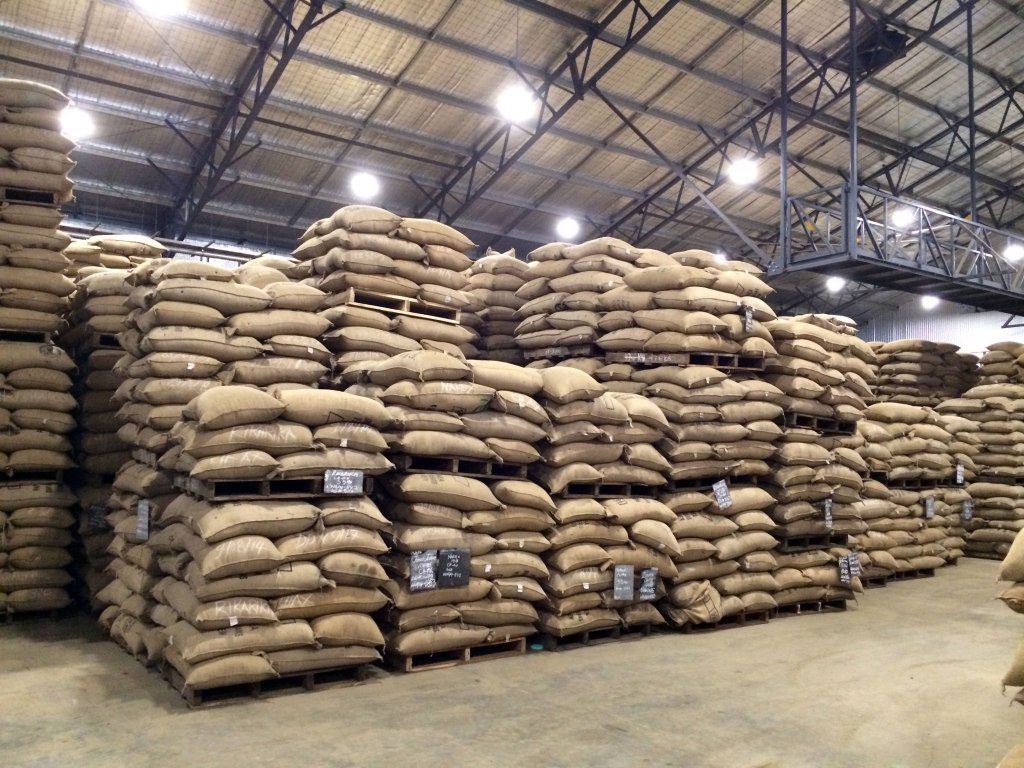
Coffee is a necessity for many and their days do not start without it. It has become part of their daily routine, similarly to washing their face or brushing their teeth. To meet the increasing demand for coffee, statistics from The International Coffee Organization show an estimation of a whopping 168 million (60kg) bags of coffee to be produced in 2018/2019. That is a lot of coffee; what makes this beverage so desirable?
Taste? Some say coffee tastes like boiled dirt and quite frankly, my first cup of black coffee tasted exactly like that, but some find the taste invigorating and revitalizing, like a shot of energy. To be honest, the latter has become quite reasonable with age. In fact, an ISIC survey has found the majority of people, in a work place, who decide to drink coffee, do so because of the taste. Although, the actual taste of coffee could be masked by sugar, milk or other sweeteners which are commonly added. The same ISIC survey also investigated why individuals drink coffee before work. Over 50% of respondents confirmed – coffee helps kick-start their days, implying taste is certainly a factor, but not the sole decider.
To compliment the statistics from The International Coffee Organization, in the United States, more than 85% of adults consume a particular stimulant called caffeine, averaging 180mg per day. As it turns out, a cup of regular coffee contains ~80mg of caffeine. Is coffee just a vector for this stimulant?
At any rate, a range of tests could be employed to assess the seeming value of this stimulant, for example, Sustained attention and Reaction time for cognitive performance; profile of mood states for mood changes; Stanford Sleepiness Scale for alertness.
One of the many studies examined the cognitive effects of caffeine using these tests in addition to a few others. Interestingly, individuals receiving a 150, 300 and 600mg dose of caffeine scored equally well on the performance tests just upon receiving the dose and 4h, 8h and 12h after, respectively. Individuals receiving a placebo dose showed a significant decrease in performance, the largest gap in performance was noted at the 12h mark. In terms of mood, sleep deprivation reverted, energy levels significantly increased. Alertness lifted and maintained for at least a couple of hours (dose independent).
This might explain the perceived morning boost and may also suggest that 4 cups of coffee could practically maintain your brain power for most of the workday, meaning workload becomes more manageable and more efficient, boosting the individuals value as a work force. In theory, this is reasonable, however, in practice it works out a little differently.
Although, there are a number of proposed adverse effects, I’d like to draw your attention to disturbances on sleep and daytime functioning. O’Callaghan and colleagues describe this accurately. In order to maintain cognitive performance for longer, individuals consume caffeine, the following night sleep is disturbed i.e. less than 7h of sleep. Day-time performance that follows is reduced due to lack of sleep and to restore performance, more caffeine is consumed. Immediately, does caffeine, and thus coffee, improve performance or does it simply restore lost performance?

Assuming performance restoration drives coffee consumption, how is coffee any different from any other addiction? Caffeine becomes a reliability, the same way nicotine does in smokers. I think, coffee might as well be the most popular, legal, underlying recreational drug available for consumption.
This issue is particularly highlighted in cases of underage individuals. South Korea has officially banned all coffee products from schools. Presumably, South Korean authorities identify distorted sleeping schedules, but also increased heart rates, heart palpitations, nervousness, and even dizziness as a major concern in underage children wishing to meet the notoriously competitive educational expectations.
Having said this, people have been drinking coffee for centuries and to the extent of my knowledge, there haven’t been any massive scale associations of coffee causing acute or chronic disease world-wide, in contrast to smoking.
Liked the blog? Or maybe you didn’t? Try the others!
Beer: from enjoyment to addiction
Fizzy drinks: the pleasurable taste
Green tea: toxicity?
Water: it’s healthy, right?
 commondrinksand.water.blog